
ART CONSERVATION
Products specially prepared for Art Conservation with the aim of keeping inert the environment where they are stored, displayed or transported.
There are several environmental factors that can deteriorate Art works, during storage, transport or during the time they are in showcases (in temporary or permanent exhibitions). The products aim to eliminate environmental humidity or oxygen (or both). It is also possible to keep the humidity values constant to benefit art conservation.
Another type of product are indicators of humidity, impact, rollover and temperature, which are used to control both the transport of Art works and the state of objects inside the showcases or packaging. As more sophisticated products we would have the dataloggers that allow the control of all the movements and environmental conditions of Art works during transport.

At Sercalia we have all kinds of specialised products for the preservation of art: humidity stabilisers, humidity, oxygen and ethylene absorbers, temperature and humidity indicators, isothermal products for the cold chain, aluminium bags and films and natural zeolite.

Moisture stabilisers

Moisture absorbers

Oxygen absorbers
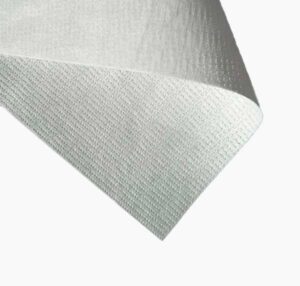
Protective Films and Fabrics for Art
Protective films and fabrics for works of art are technical materials used in preventive conservation to protect artworks and cultural heritage objects during display, storage, handling and transport. They help reduce the risks associated with dust, abrasion, moisture, oxygen and certain environmental pollutants.
Available in different materials and formats: Tyvek 1623E and 1073D for protection and packaging; Pacific Silvercloth for silver objects and other metals; Flexzorb FM10 for the adsorption of gaseous pollutants; ESCAL Neo and Anoxiflex barrier films to limit the passage of oxygen and moisture; and Fireguard thermal covers for protection against heat.

Thermal covers for art
Superior thermal protection against extreme heat. Advanced solution specially designed to protect pieces and works of art. Fireguard thermal covers are lightweight and flexible, with an aluminized fabric that fully complies with ISO 11612 standards, achieving the highest thermal resistance rating. It is an effective barrier against water, smoke and suspended particles, thus guaranteeing the integrity of the protected works in various environmental conditions.

Aluminium
Aluminium is an ideal material for packaging and conservation of art, collectibles and antiques. At Sercalia we offer aluminium film and aluminium bags in different sizes and finishes: gusseted bags, flat bags, Doypack, (with zip closure, kraft, metallised or laminated).

Data loggers
Data loggers or dataloggers are used to monitor data on temperature, humidity, impacts, overturning and geopositioning of goods during transport, providing information on the state of the work of art and its condition at all times. There are different data loggers depending on the data to be monitored.

Indicators
FAQS
Art Conservation: Answers to Frequently Asked Questions About Preventive Conservation, Protection and Monitoring
What factors can affect the conservation of artworks and cultural heritage objects?
Artworks and cultural heritage objects can be affected by environmental factors and by the conditions in which they are displayed, stored, handled and transported.
Fluctuations in relative humidity and temperature, gaseous pollutants, light, impacts and the presence of pests can cause changes in certain materials. The risks depend on the composition, condition and characteristics of each object.
For this reason, preventive conservation of artworks requires identifying deterioration factors and implementing protection, environmental control and monitoring measures tailored to each application.
Why is it important to control relative humidity in museums, display cases and storage areas?
Relative humidity (RH) is one of the environmental factors that must be controlled in art conservation, particularly when artworks contain materials sensitive to humidity fluctuations, such as wood, paper, textiles or certain painting materials.
Changes in humidity can cause dimensional movement, deformation and other deterioration processes, depending on the characteristics of the artwork and the environmental conditions.
In display cases and other enclosed spaces, humidity stabilisers can be used to help maintain a stable microclimate. The target relative humidity should be defined according to the conservation requirements of the objects, the characteristics of the space and the expected environmental conditions.
What is the difference between a desiccant and a humidity stabiliser for art conservation?
A desiccant is primarily used to absorb moisture from its surrounding environment, whereas a humidity stabiliser is designed to help maintain a specific relative humidity level by absorbing or releasing water vapour according to the prevailing conditions.
This distinction is particularly important in preventive conservation, as the aim is not always to reduce humidity but to maintain suitable conditions for the materials.
In display cases and enclosed spaces, humidity stabilisers such as Prosorb, Artsorb or Propadyn can be used, while desiccants may be suitable for certain applications requiring protection against excess moisture.
The choice depends on the type of artwork, the target relative humidity, the volume of the space, its airtightness and the environmental conditions.
What materials should be used to protect artworks during storage, handling and transport?
The selection of protective materials depends on the composition, fragility, dimensions and condition of each artwork, as well as the storage and transport conditions.
Protective films and fabrics for artworks can be used to cover, separate or wrap objects, helping to reduce certain risks associated with dust, abrasion and contact with other materials. Technical materials such as Tyvek are available in different structures and formats, alongside barrier films designed to limit the passage of certain gases or water vapour.
It is important to distinguish between physical protection and environmental protection, as each material has different properties and applications. The selection should also take into account compatibility with the artwork and the intended conditions of use.
How can artworks be protected against gaseous pollutants in display cases and exhibition spaces?
Certain gaseous pollutants present in the air or emitted by construction materials, furniture and exhibition components can contribute to the deterioration of sensitive artworks and cultural heritage objects.
In display cases and other enclosed spaces, specialised adsorbent materials, such as certain activated carbon fabrics, can be used to help reduce the presence of specific pollutants. These solutions include Flexzorb FM10, an activated carbon fabric intended for gaseous pollutant adsorption applications.
The selection should take into account the pollutants to be controlled, their potential emission sources, the characteristics of the space and the materials of the artworks. These solutions can complement other preventive conservation and environmental control measures.
When should barrier films be used to protect artworks against moisture and oxygen?
Barrier films can be used in certain conservation and packaging applications to limit the exchange of water vapour or oxygen between the inside of an enclosure and the external environment.
Their use may be relevant when a specific protective environment is required during storage, transport or certain conservation treatments. Technical materials such as ESCAL Neo and Anoxiflex offer barrier properties that must be assessed according to the intended application.
The effectiveness of the system depends on the characteristics of the film, the airtightness of the seals, the environmental conditions and the conservation requirements. A barrier film does not automatically replace environmental control systems or monitoring when these are necessary.
When should humidity indicators and temperature and humidity data loggers be used in museums?
The choice depends on the information required and the type of environmental monitoring needed.
Humidity indicators allow certain relative humidity conditions or ranges to be checked visually, depending on the device used. Temperature and humidity data loggers, on the other hand, collect data over a specified period and allow changes in environmental conditions to be analysed.
In museums, display cases, storage areas or during transport, monitoring can help identify fluctuations that require assessment and complement the protective systems in use.
It is important to distinguish between these functions: humidity stabilisers and other protective materials act on certain environmental conditions, whereas indicators and data loggers provide information about those conditions.
How can artworks be protected against insects and pests using anoxic treatments?
Insects and other pests can affect artworks and cultural heritage objects containing organic materials, such as wood, paper or textiles. In certain applications, anoxic treatments can be used to control infestations by reducing oxygen levels inside an enclosure specifically prepared for this purpose.
These treatments may incorporate barrier materials, oxygen reduction systems and indicators that allow certain conditions inside the enclosure to be checked.
The selection should take into account the characteristics of the artwork, the type of infestation, the airtightness of the system and the parameters required for treatment. Effectiveness depends on an appropriate procedure and verification of the specified conditions. Treatment must therefore be planned according to the conservation requirements of each object.
How do I choose an art conservation solution, and how can Sercalia help?
The first step is to identify the risks that may affect the artwork and the conditions to which it will be exposed during display, storage, handling or transport. Relative humidity, temperature, gaseous pollutants, pests and physical risks may require different protection strategies.
The materials and condition of the object, the characteristics of the display case or packaging, and the need to combine humidity stabilisers, protective films and fabrics, adsorbent materials or monitoring systems should also be considered.
At Sercalia, we provide technical advice to assess these factors and help you select the most suitable protection, conservation and monitoring solutions for each application, combining different technologies where necessary.
If you have a specific requirement or are unsure which solution to choose, you can contact our team to discuss your needs.
Where can I buy solutions for the conservation and protection of artworks?
You can contact us to discuss the requirements of your application or purchase our products for the conservation of artworks and cultural heritage objects directly from our online shop:
👉 Buy art conservation and protection solutions at Conservatis
At Conservatis, you will find professional solutions for the protection, conservation and monitoring of artworks during display, storage and transport, including:
- Different products and formats to suit each application.
- Stock available for online purchase.
- Technical information to help you select the right solution.
Looking for advice?
We are characterised by our attention, flexibility, speed and delivery reliability. The best personalised service with a reliable supplier for regular deliveries.
CONTACT US
Request information about ou productcs