
Ban on PFAS in food packaging: application of the PPWR in Spain under European rules
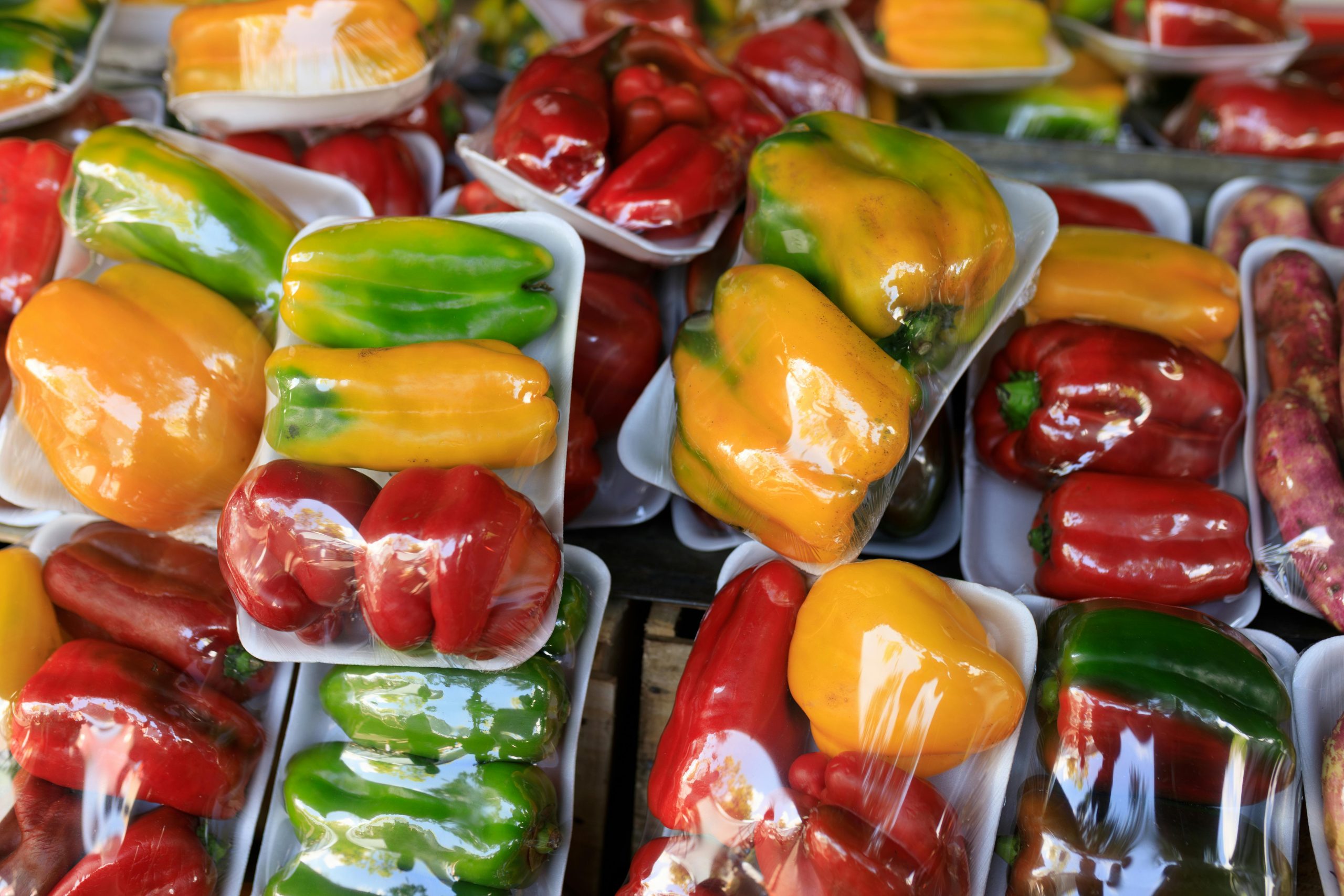
The ban on PFAS in food packaging forms part of a broader set of European guidelines and regulations aimed at strengthening food safety and sustainability. The new Packaging and Packaging Waste Regulation (PPWR) consolidates this approach and establishes rules that are directly applicable in Spain and across the European Union, with a structural impact on the European food industry and on the design of sustainable packaging.
The PPWR is part of the legislative package derived from the European Green Deal and the Circular Economy Strategy, with the objective of reducing the environmental impact of packaging throughout its entire life cycle and ensuring a high level of protection of human health.
As a regulation, the PPWR is legally binding in all its elements and directly applicable in the Member States. This means that Spain must adapt its administrative and control practices to the common European framework without the need for national transposition.
In this context, the ban on PFAS in food packaging is based on the precautionary principle enshrined in EU law and on the need to harmonise rules on food contact materials within the internal market.
European regulatory background
The restriction of PFAS substances does not arise in isolation, but is aligned with several existing European regulations and strategies. Among these is Regulation (EC) No 1935/2004 on materials and articles intended to come into contact with food, which establishes that such materials must not transfer their constituents to food in quantities that could endanger human health.
In addition, the REACH Regulation on the registration, evaluation and restriction of chemicals already identifies many PFAS as substances of very high concern due to their persistence and bioaccumulation.
The PPWR strengthens this framework by introducing specific requirements for packaging and moving from a general regulatory approach towards an explicit restriction on the use of PFAS in food-related applications. This initiative has been driven by the European Commission and adopted following the ordinary legislative procedure by the European Parliament and the Council.
Impact or consequences for the industry
The ban on PFAS in food packaging, in accordance with the PPWR and European packaging legislation, will have direct consequences for the European food industry. Economic operators will be required to ensure that the materials used comply both with food safety standards and with environmental objectives.
In Spain, the sectors most affected will be:
- Manufacturers of paper and cardboard packaging with functional treatments
- Prepared food companies and food distribution operators
- The single-use packaging industry
The regulatory impact translates into the need to replace traditional coatings with alternatives that are compatible with European criteria. At the same time, the PPWR sets targets for recyclability and waste reduction, thereby increasing technical and regulatory complexity.
From a European perspective, harmonisation helps to avoid fragmented regulation and facilitates the free movement of products, although it requires a significant short-term adaptation effort.
Institutional response and implementation
EU institutions maintain that the PPWR enhances regulatory coherence and strengthens consumer protection. The ban on PFAS in food packaging is considered consistent with the Chemicals Strategy for Sustainability and with the objectives of the “zero pollution” agenda.
In Spain, the authorities responsible for food safety and environmental protection are working to align official controls with European guidelines. The focus is on the uniform application of the regulation and on monitoring compliance by economic operators.
At sector level, industry stakeholders are calling for European technical guidance to clarify testing methods, compliance criteria and timelines, in order to reduce legal uncertainty during the transition period.
What may happen next
Following the entry into force of the PPWR, a phase of complementary regulatory development will begin. The European Commission may adopt implementing acts and technical guidance to clarify key aspects of the ban on PFAS in food packaging.
At national level, enhanced coordination between regional and central administrations is expected to ensure the uniform application of European rules. In parallel, the European food industry is likely to accelerate innovation in alternative materials, promoting solutions that are compatible with the circular economy.
In the medium term, the combination of the PPWR, REACH and legislation on materials in contact with food will create a stricter and more predictable regulatory framework for the packaging market.
Ultimately, the ban on PFAS in food packaging, supported by the PPWR and other European regulations, represents a significant step forward in EU policy on safety and sustainability. Its application in Spain strengthens the coherence of the internal market and consolidates a packaging model aligned with the European Union’s environmental and public health objectives.



CONTACT US
We are characterised by our attention, flexibility, speed and delivery reliability. The best personalised service with a reliable supplier for regular deliveries.