
Moisture absorbers for food: industry study reveals critical issues in food exports
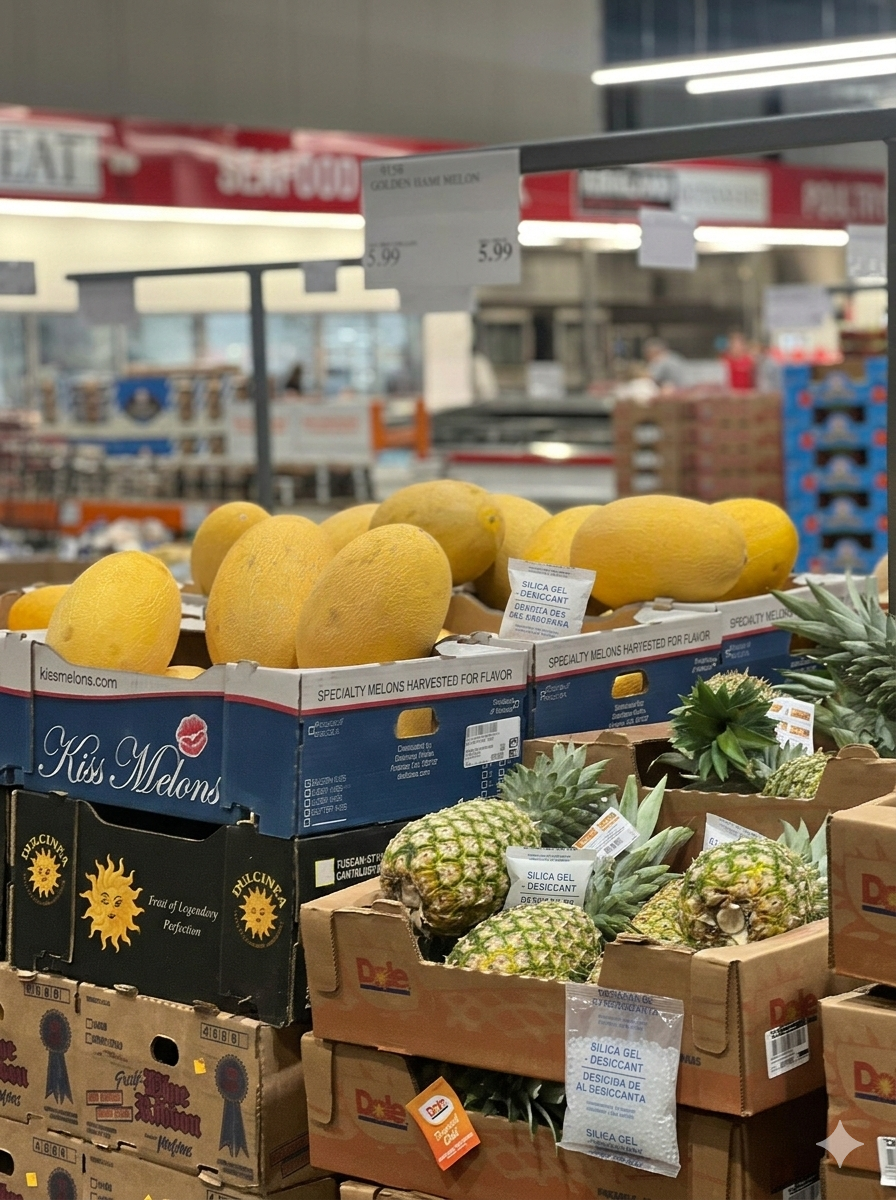
The growing international demand for perishable goods has highlighted food-grade desiccants as a key element in food exports. A recent industry study analyses how moisture condensation in shipping containers is causing millions in losses and compromising food safety during international transport.
The report, based on data from European logistics operators and foreign trade associations, concludes that the lack of adequate humidity control systems is one of the main factors contributing to spoilage on long-haul routes, particularly in sea shipments between Europe, Asia and Latin America.
Food exports and globalisation
Food exports have grown by more than 20% over the last decade, driven by globalisation and the boom in B2B e-commerce. According to data from the World Trade Organisation, agri-food trade represents one of the most dynamic segments of the global market.
Risks and consequences of exporting
However, this growth has increased the risks associated with transport. During sea voyages lasting 20 to 45 days, temperature fluctuations cause moisture condensation inside containers. This effect, known in the industry as ‘container rain’, leads to the accumulation of water on ceilings and walls, directly affecting the product.
In this scenario, moisture absorbers for food have become an indispensable technical solution for minimising damage.
Historically, the industry has used basic ventilation methods and reinforced packaging to reduce humidity. However, such systems prove insufficient in tropical climates or on intercontinental routes.
According to data compiled by the Food and Agriculture Organisation of the United Nations,up to 14% of post-harvest losses in exports may be linked to humidity and storage issues.
The sector study identifies three critical factors:
- Sudden temperature differences between the port of origin and the port of destination.
- Inappropriate use of moisture desiccants in containers.
- Lack of standardised moisture control protocols in international logistics.
Conclusions of the sectoral study
The lack of specific anti-moisture solutions for each type of product (coffee, rice, nuts, flours or processed foods) increases the risk of mould, caking and organoleptic degradation.
The report estimates that claims for damage linked to moisture condensation amount to millions of euros annually in the European agri-food trade, meaning the economic impact is significant.
In addition to the financial loss, there are direct implications for food safety. Excessive moisture promotes the proliferation of fungi and mycotoxins, which can lead to the detention or destruction of the exported consignment.
In markets with strict regulations, such as the United States or Japan, health checks are particularly rigorous. Any deviation from humidity parameters can lead to rejections at the border, contractual penalties and damage to commercial reputation.
The study highlights that properly sized moisture absorbents for food can reduce relative humidity levels inside the container by up to 80%, provided they are installed in accordance with technical specifications and cargo volume.
Solutions for effective control during shipments
Various logistics associations have recognised the need to strengthen standards. The International Federation of Freight Forwarders Associations has recommended incorporating certified moisture desiccant systems into long-haul shipments.
Similarly, organisations linked to food safety have emphasised the importance of integrating humidity control into HACCP (Hazard Analysis and Critical Control Points) systems.
The study also notes that an increasing number of operators are incorporating digital sensors that monitor temperature and humidity in real time, enabling logistics strategies to be adjusted and traceability to be improved.
The sector analysis points to a growing professionalisation in the use of anti-moisture solutions. The market for industrial desiccants is expected to experience sustained growth over the next five years, driven by:
- Increased intercontinental trade.
- Stricter food safety regulations.
- Integration of IoT technology into containers.
- Awareness of avoidable economic losses.
For exporting companies, the challenge will lie in implementing customised systems tailored to the type of food, the duration of transport and the expected climatic conditions.
Experts agree that moisture absorbents for food will cease to be an optional extra and become an operational standard within the food export sector.
The study’s conclusion is clear: without a comprehensive moisture control strategy, international competitiveness is compromised. In an environment where logistical efficiency and product quality are decisive factors, investment in desiccants and technical anti-moisture solutions is emerging as an essential preventive measure.


CONTACT US
We are characterised by our attention, flexibility, speed and delivery reliability. The best personalised service with a reliable supplier for regular deliveries.