
Risks of mould in packaged foods: how to prevent it and protect food safety
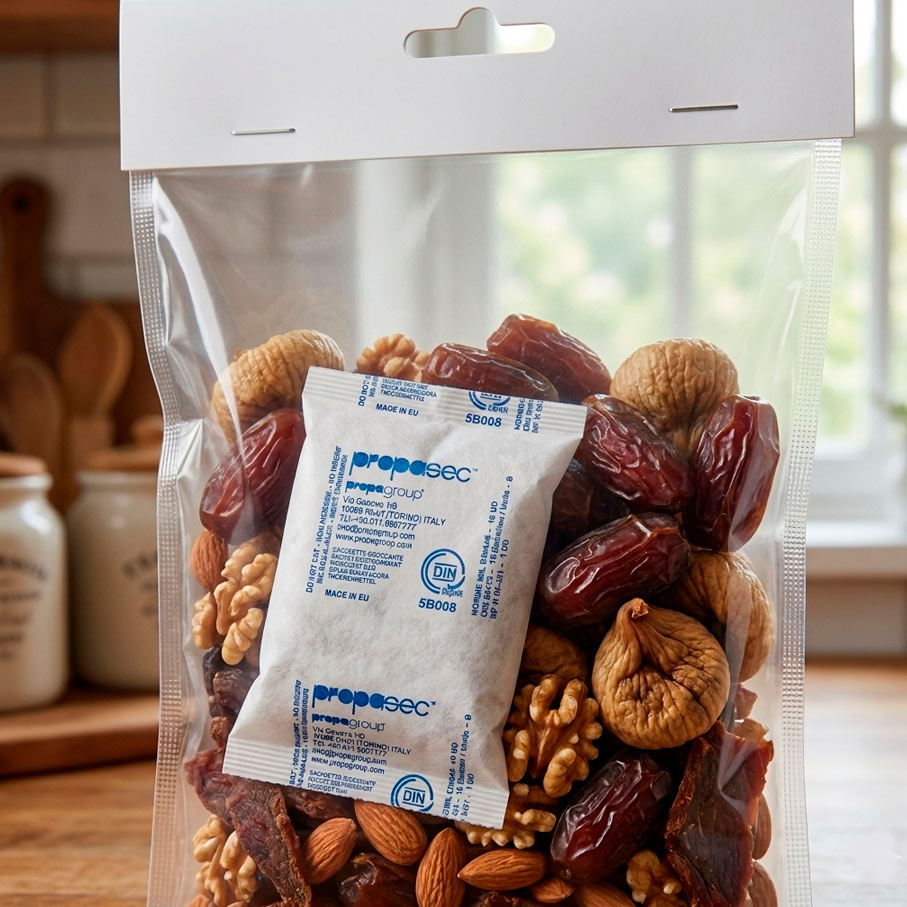
Mould in packaged foods represents one of the most frequent problems in the preservation of food products during storage and distribution. The presence of fungi can deteriorate product quality, reduce shelf life and pose risks to consumer health. Food safety experts point out that factors such as moisture in foods, storage conditions or packaging type can favour the growth of microorganisms if appropriate control measures are not applied.
What mould is and why it appears in packaged foods
Mould in packaged foods is caused by different types of microscopic fungi that develop when they find favourable conditions of temperature, humidity and available nutrients.
These microorganisms can grow on a wide variety of foods, especially products that contain moisture or have been exposed to temperature fluctuations during transport or storage.
Among the main factors that favour the presence of fungi in packaged foods are:
- high moisture levels in foods
- condensation inside the packaging
- storage in warm environments
- packaging with low moisture barrier properties
- contamination during the packaging process
When these factors combine, the risk of mould development increases significantly.
How mould affects food quality
The presence of mould in packaged foods can lead to visible changes and product deterioration.
The most common effects include:
- greenish, white or black spots
- unpleasant odours
- changes in flavour
- loss of texture
- overall product degradation
In addition to affecting food quality, mould growth can reduce the shelf life of packaged foods, forcing product withdrawals from the market or causing returns within the distribution chain.
For this reason, mould prevention is a priority within food safety strategies related to mould control in the food industry.
The role of moisture in mould growth
One of the most decisive factors in the development of mould in packaged foods is the presence of moisture.
When moisture levels in foods or inside the packaging exceed certain limits, a favourable environment for microorganism growth is created.
This phenomenon can occur even in apparently dry products if:
- the food contains residual moisture
- temperature changes occur during transport
- condensation forms inside the packaging
For this reason, many companies apply food moisture control systems to maintain stable conditions inside the package.
Solutions to prevent mould in packaged foods
Preventing mould in packaged foods requires a combination of measures related to production, packaging and storage.
Among the most commonly used strategies are:
- maintaining controlled moisture levels during processing
- using packaging with barrier properties against water vapour
- applying food moisture control systems inside the packaging
- improving storage and transport conditions
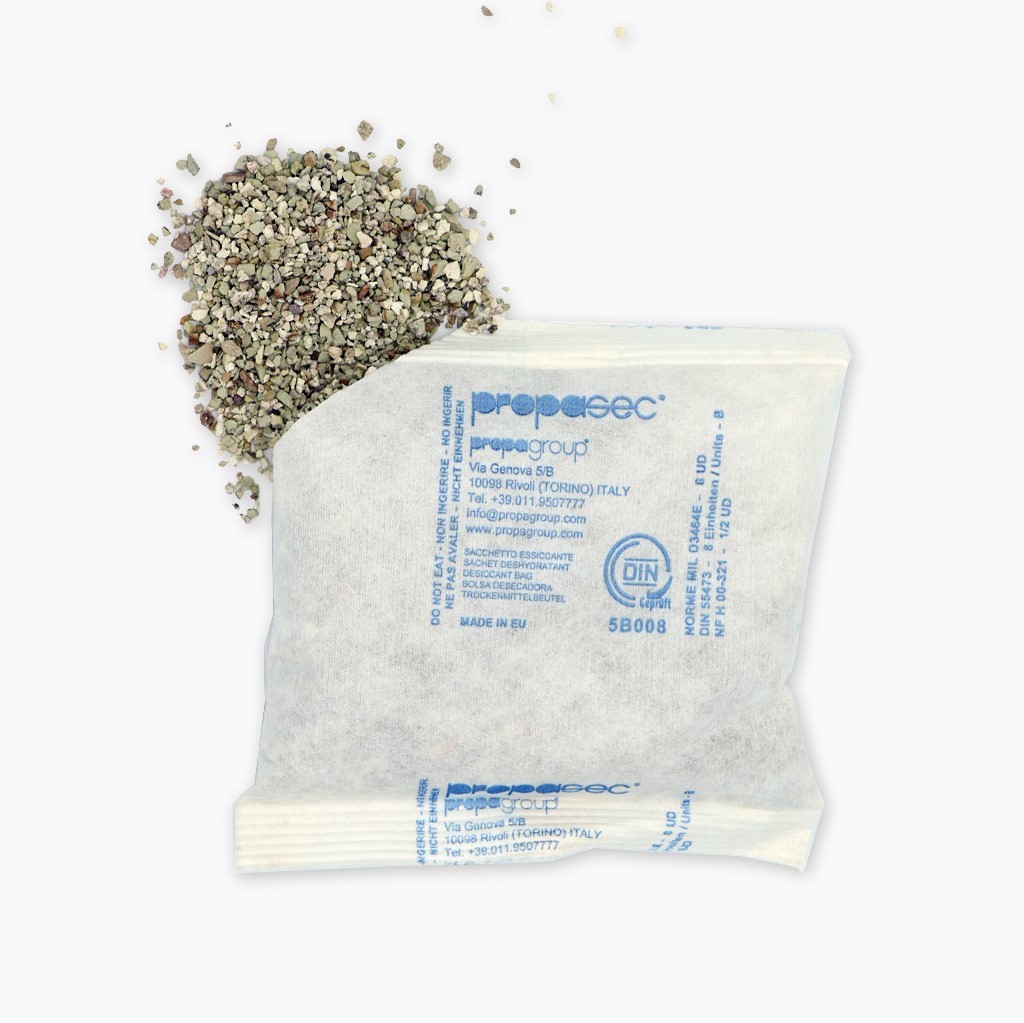
One of the most widely used solutions for dry products is the inclusion of moisture absorbents for food inside the packaging.
These small devices contain materials capable of absorbing moisture, helping to maintain a dry environment inside the package.
When used correctly, desiccant bags for food help extend the shelf life of packaged foods and reduce the risk of microorganism growth.
Foods most sensitive to mould
Mould in packaged foods can occur in different product categories, although some are more sensitive due to their composition or moisture content.
The most vulnerable foods include:
- dry bakery products
- snacks and savoury foods
- nuts
- dehydrated foods
- cereals and flours
- powdered products
In these cases, applying strategies on how to prevent mould in foods is essential to ensure product quality throughout its shelf life.
Importance of moisture control in food safety
Moisture control has become one of the pillars of food safety related to mould, particularly for packaged products intended for long storage periods.
Maintaining appropriate moisture levels helps to:
- limit fungal growth in packaged foods
- improve product stability
- extend the shelf life of packaged foods
- reduce economic losses
Food moisture control solutions, including improved packaging and desiccant bags for food, make it possible to maintain more stable conditions inside the package.
What the future holds for food packaging
Innovation in packaging materials and preservation systems is driving new solutions to prevent mould in packaged foods.
Food industry companies are developing technologies that improve food moisture control while increasing product protection throughout the entire logistics chain.
Key trends include:
- packaging with improved moisture barriers
- active moisture control systems
- new absorbent materials for food packaging
These innovations aim to improve packaged food preservation and reduce the economic impact associated with spoilage or product returns.
Preventing mould in packaged foods will remain a key aspect in ensuring product quality, food safety and consumer trust.


CONTACT US
We are characterised by our attention, flexibility, speed and delivery reliability. The best personalised service with a reliable supplier for regular deliveries.