
World Logistics Day 2026: the importance of a key sector
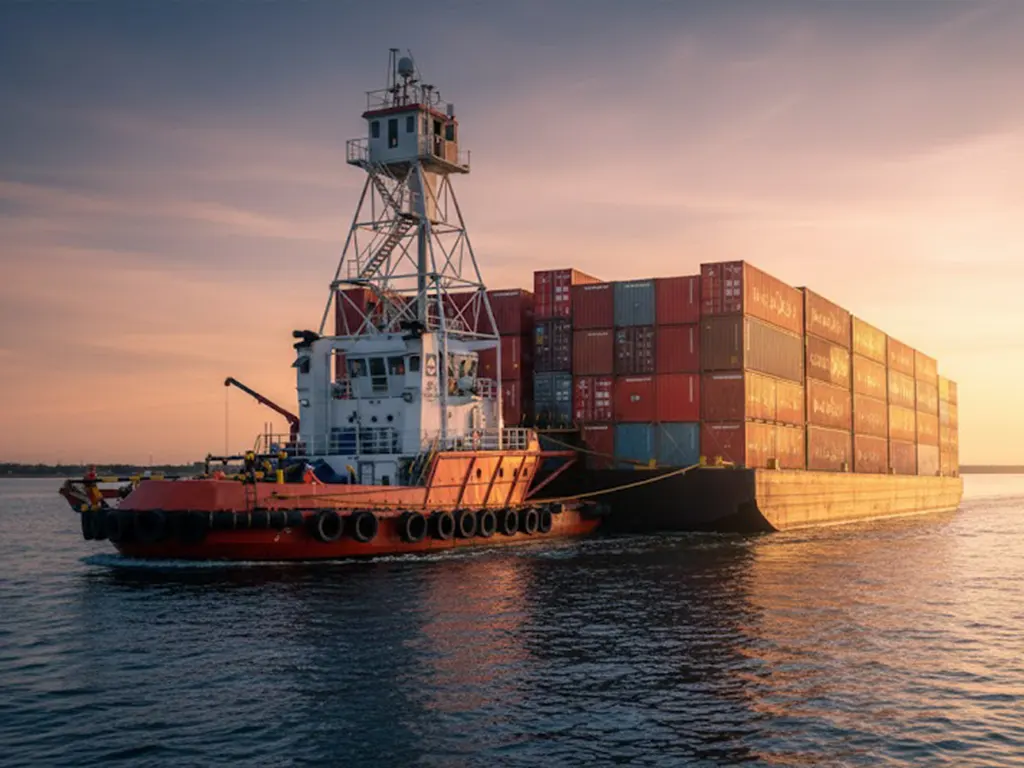
World Logistics Day, observed every 16 February, will once again place logistics at the heart of economic and business discussions in 2026. This date recognises the strategic role of a sector that is essential to the functioning of global trade, industry and services.
The day highlights global logistics, supply chain efficiency and the role of international transport, in a context shaped by digitalisation, sustainability and the growing complexity of international trade.
Why World Logistics Day is Celebrated
Although World Logistics Day has not been officially proclaimed by international institutions, its observance has become well established thanks to the initiative of professional associations, sector companies and organisations linked to logistics management.
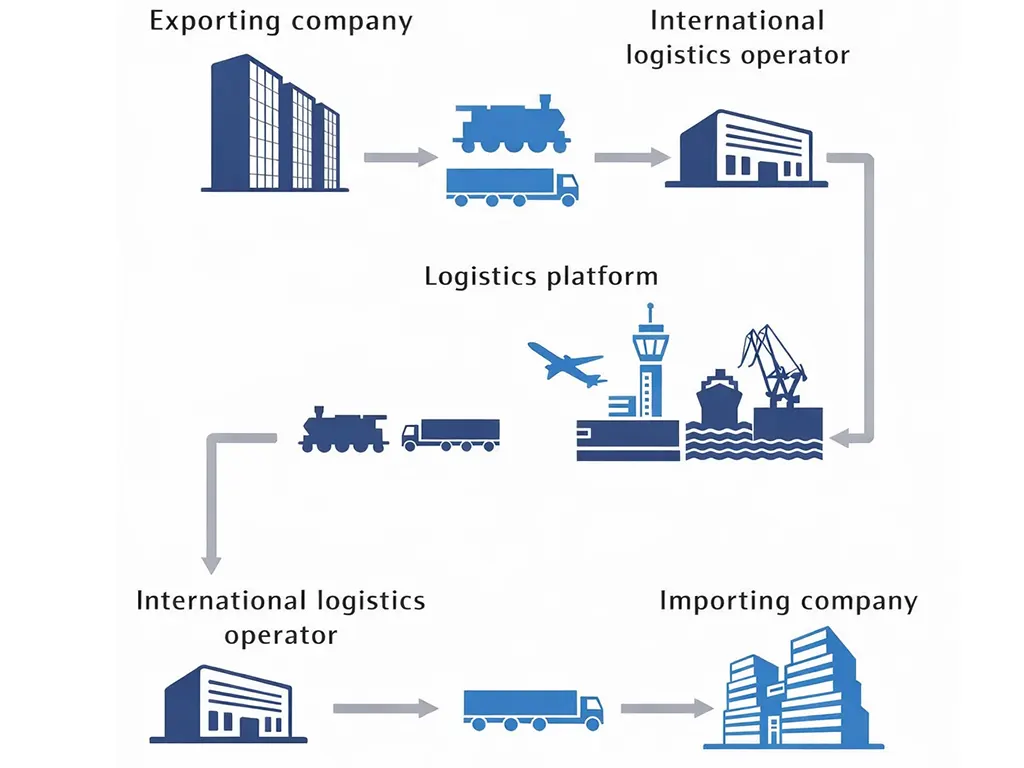
Its main objective is to give visibility to an activity that is essential but often overlooked by the end consumer. Logistics connects producers, distributors and customers, ensuring that goods reach their destination on time, in the right conditions and with the required levels of quality and safety.
The evolution of modern logistics
Over recent decades, logistics has undergone a profound transformation, evolving from a focus solely on transport and warehousing to becoming an integrated system that includes planning, procurement, distribution, inventory control and risk management.
Market globalisation and the growth of e-commerce have increased supply chain complexity. Added to this are geopolitical disruptions, health crises and the impact of climate change, all of which have highlighted the need for more resilient and flexible logistics systems.
Impact and consequences: a key sector for the economy
Logistics has a direct impact on economic competitiveness. Efficient management reduces costs, optimises delivery times and improves the reliability of trade flows.
Moreover, the logistics sector generates millions of jobs and is essential for strategic areas such as the food industry, healthcare, pharmaceuticals and manufacturing. Disruptions in transport or storage can lead to shortages, price increases and production delays.
For this reason, World Logistics Day 2026 once again underlines the importance of investment in infrastructure, technological innovation and specialised training.
The role of international logistics associations
Professional associations play a fundamental role in the development of the sector. At a global level, the Council of Supply Chain Management Professionals (CSCMP) is a benchmark for analysis and research on supply chain evolution.
In international transport, the International Federation of Freight Forwarders Associations (FIATA) represents freight forwarders and logistics operators in more than 150 countries, acting as an intermediary with multilateral organisations. Meanwhile, the International Air Transport Association (IATA) is key to air logistics and the establishment of safety and efficiency standards.
Logistics associations in Europe and Spain
In Europe, the European Logistics Association (ELA) coordinates national associations and promotes professional certifications, as well as best practices in sustainability and digitalisation.
At national level in Spain, the sector includes leading organisations such as the Centro Español de Logística (CEL), focused on training and innovation. Alongside it, UNO Logística represents logistics operators before public authorities, while AECOC promotes supply chain efficiency, particularly in the fast-moving consumer goods sector.
These organisations often lead reports, professional forums and strategic positioning initiatives that gain particular relevance on dates such as this.
Sustainability and digitalisation: strategic pillars of the sector
Logistics sustainability has become a priority to reduce the environmental impact of transport and storage. Route optimisation, the use of alternative energy sources and emissions reduction are now standard objectives in logistics planning.
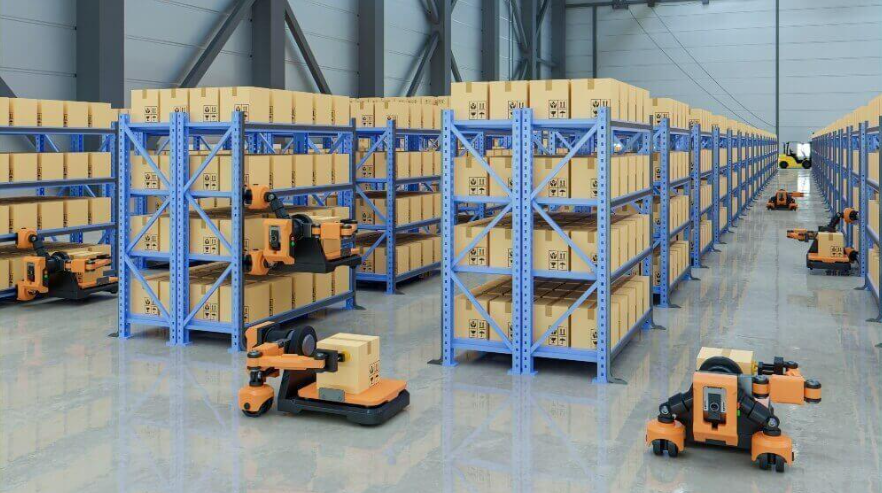
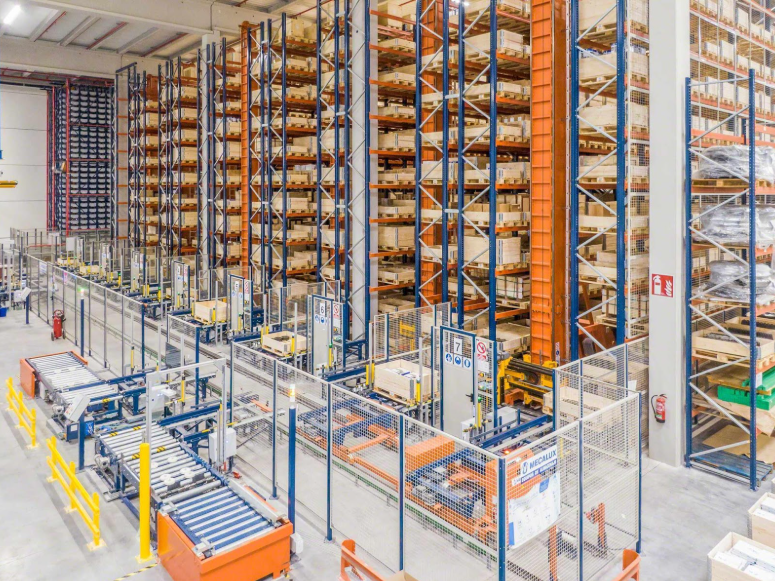
At the same time, logistics digitalisation is transforming supply chain management. Warehouse automation, real-time tracking systems and data analytics help improve efficiency, traceability and operational safety.
Safety and quality in logistics
In an increasingly demanding environment, safety and quality are decisive factors. This is why specialised companies provide solutions designed to protect goods and optimise processes.
In this context, Sercalia supplies products with protection systems designed to ensure safe, high-quality logistics, helping to reduce risks during transport and storage.
Future outlook
Looking ahead, logistics will need to adapt to stricter environmental regulations, shortages of certain professional profiles and a changing commercial landscape. Cooperation between companies, associations and public authorities will be essential to strengthen sector resilience.
World Logistics Day 2026 represents an opportunity to reinforce social recognition of logistics and to move towards more efficient, sustainable and digital models. Its celebration once again highlights a sector that is essential to the global economy.

CONTACT US
We are characterised by our attention, flexibility, speed and delivery reliability. The best personalised service with a reliable supplier for regular deliveries.