
Cold Chain in Summer: How to Properly Use Ice Packs in Portable Coolers
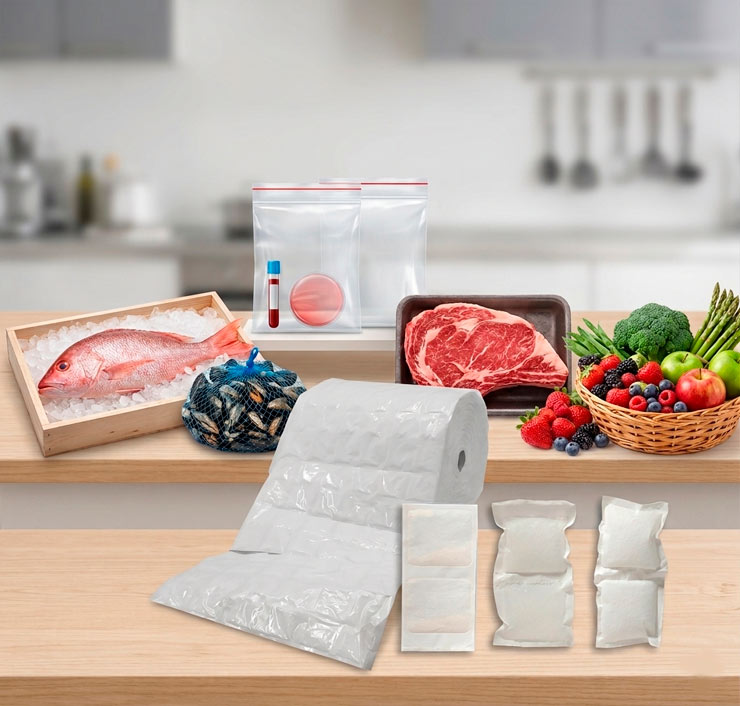
The rise in temperatures during the summer months requires extra precautions when preserving food outside the home. In this context, the ice pack for coolers has become an essential item for maintaining the cold chain in domestic portable coolers. Food safety experts remind consumers that proper refrigeration during transport can prevent bacterial growth and reduce the risk of food poisoning.
The role of ice packs in the domestic cold chain
Portable coolers are a common solution for transporting food during excursions, trips, or days at the beach. However, since they do not have electric refrigeration, they rely on passive cooling systems.
Among these, the ice pack for coolers stands out, designed to store cold in advance in the freezer and gradually release it inside the insulated compartment.
These ice packs contain cooling gels that remain frozen for several hours and help keep the inside of the portable cooler at safe temperatures.
According to food safety authorities, perishable foods should be kept below 5 °C to prevent bacterial growth.
Why ice packs are being used more and more
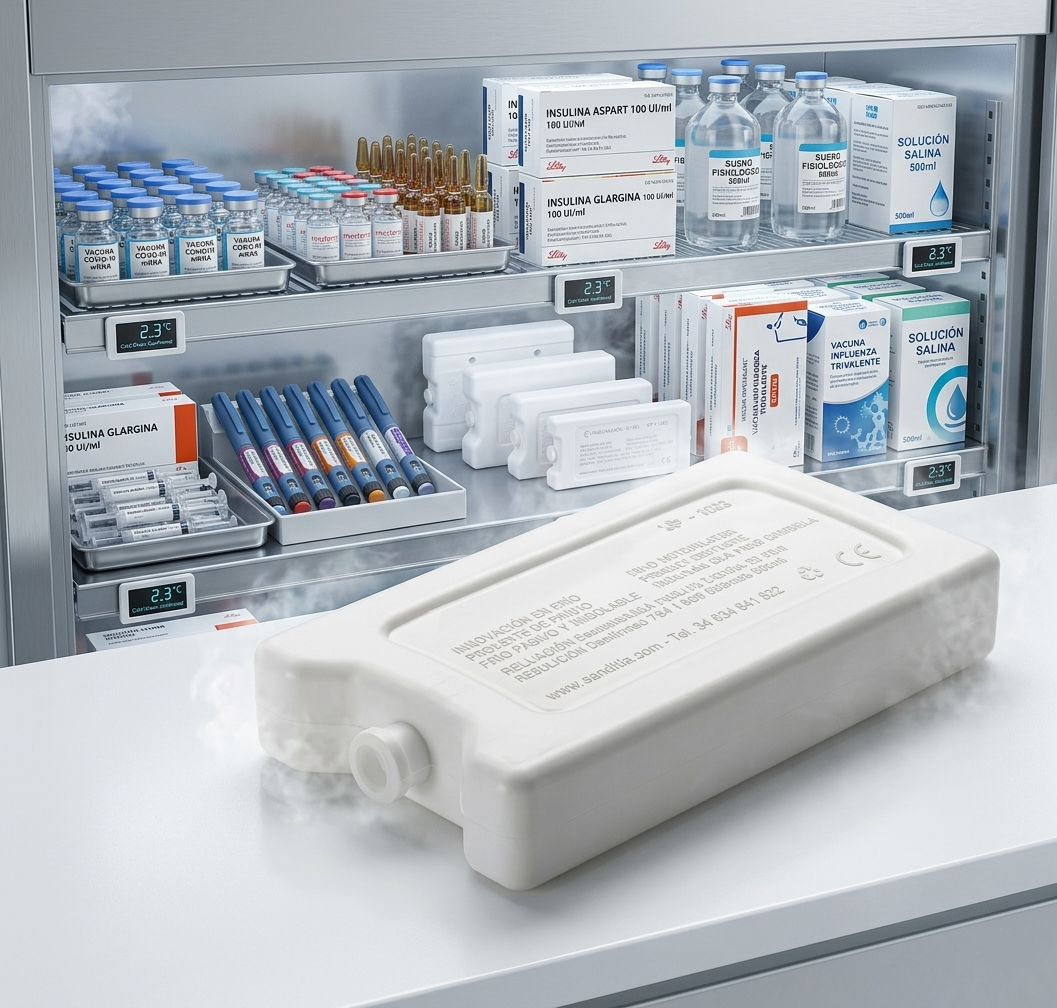
The use of ice packs originated in sectors where the cold chain is critical, such as the transport of medicines, vaccines, and pharmaceutical products.
Over time, these systems expanded into domestic use due to their ease of use and low cost.
Several types are currently available:
- Traditional rigid ice pack
- Flexible ice pack adaptable to different spaces
- Hydratable ice pack
The flexible ice pack allows better use of space inside the portable cooler, as it can be placed around food or drinks.
Understanding how an ice pack works is key to maximising its performance. The cooling gel absorbs heat from the surrounding environment during the thawing process, helping maintain low temperatures for several hours.
Risks of breaking the cold chain in summer
During the hottest months of the year, food can spoil quickly if not stored at suitable temperatures.
Products such as:
- meat
- fish
- dairy products
- prepared salads
are especially sensitive to temperature increases.
If the cold chain is broken, bacteria can multiply rapidly and increase the risk of food poisoning.
For this reason, using a properly frozen ice pack for a cooler is essential when transporting food during outdoor activities.
Recommendations for using an ice pack correctly
Specialists recommend following some basic guidelines to improve system efficiency:
- freeze the ice pack for the cooler at least 12 hours before use
- use several ice packs inside the portable cooler
- keep the cooler in shaded areas
- minimise opening the lid
- place already chilled food inside the cooler
Under optimal conditions, a portable cooler equipped with ice packs can maintain suitable temperatures for 8 to 24 hours.
Using a flexible ice pack can help distribute cold more evenly inside the cooler.
Trends in domestic portable cooling systems
The growth of outdoor activities and increased awareness of food safety are driving the development of new ice packs.
Manufacturers are introducing improvements such as:
- longer-lasting cooling gels
- reusable and eco-friendly materials
- ultra-thin designs to optimise space
These innovations aim to improve the efficiency of the domestic cold chain and make food preservation easier during travel.
In this context, the cooler ice pack will continue to be a key tool for maintaining food safety during the summer.



CONTACT US
We are characterised by our attention, flexibility, speed and delivery reliability. The best personalised service with a reliable supplier for regular deliveries.